
Venezuela
A plan for Caracas
Not a list of things to see in Caracas — a day-by-day plan somebody could actually follow, built from places we can point to a source for. Make your own in about a minute.
- 2 nights
- Couple
- Balanced pace
- Mid-range budget
Every place here was checked on 2026-10-30 or later, and each one says where it came from.
The plan, day by day
Day 1
09:30
You arrive
13:00
Carnivino
Suggested because you chose food
- 1h
- Meal
14:30
Contemporary Art Museum of Caracas
Picked because you chose culture & museums + balanced energy
- 2h 30m
- Culture & museums
2h open
Nothing planned here. That was on purpose.
19:00
Mamma Mia
Suggested because you chose food
- 1h 30m
- Meal
20:30
National Theatre of Venezuela
Picked because you chose culture & museums + balanced energy
- 2h 30m
- Culture & museums
Day 2
08:00
Panadería Golfeados de Antaño
Suggested because it fits a mid-range budget
- 45m
- Meal
45m open
Nothing planned here. That was on purpose.
09:30
Casa Museo del Doctor José Gregorio Hernández
Picked because you chose culture & museums and local experiences + balanced energy
- 2h 30m
- Culture & museums
1h open
Nothing planned here. That was on purpose.
13:00
El Maute Grill
Suggested because you chose food
- 1h
- Meal
14:30
Museo Sacro de Caracas
Picked because you chose culture & museums + balanced energy
- 2h 30m
- Culture & museums
2h open
Nothing planned here. That was on purpose.
19:00
El Cine Restaurant
Suggested because you chose food
- 1h 30m
- Meal
20:30
Aula Magna
Picked because you chose culture & museums + balanced energy
- 2h 30m
- Culture & museums
Day 3
08:00
Café Noisette
Suggested because it fits a mid-range budget
- 45m
- Meal
45m open
Nothing planned here. That was on purpose.
09:30
Museo de los Niños
Picked because you chose culture & museums + balanced energy
- 2h 30m
- Culture & museums
1h open
Nothing planned here. That was on purpose.
13:00
Restaurant La Posada de Cervantes
Suggested because you chose food
- 1h
- Meal
14:30
You leave
Weather through the year
Monthly averages from NASA's 25-year climate record, day and night together.
Best months: January, February, March, and April
| January | Mild, some rain: 23°C, 42 mm |
|---|---|
| February | Mild and dry: 23°C, 30 mm |
| March | Mild and dry: 23°C, 14 mm |
| April | Mild, some rain: 24°C, 41 mm |
| May | Mild, some rain: 25°C, 71 mm |
| June | Mild, some rain: 25°C, 87 mm |
| July | Rainy: 24°C, 101 mm |
| August | Rainy: 25°C, 120 mm |
| September | Mild, some rain: 25°C, 89 mm |
| October | Mild, some rain: 25°C, 96 mm |
| November | Mild, some rain: 24°C, 77 mm |
| December | Mild, some rain: 23°C, 74 mm |
From the Wikivoyage guide
Quoted from the travel guide anyone can edit, as it read on the day we took it.
Understand
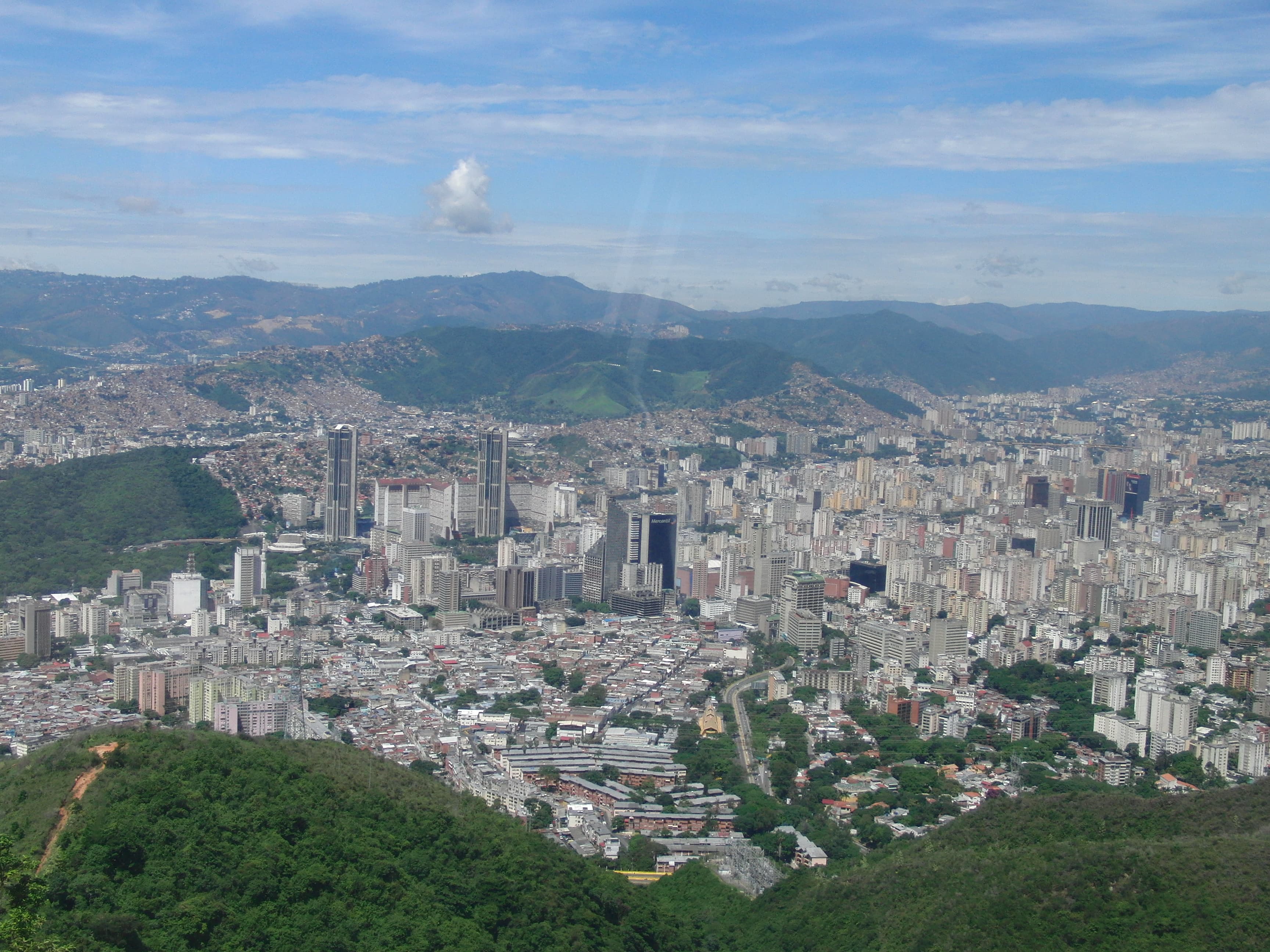
Caracas is a cosmopolitan city, congested and noisy. The restaurants in Caracas are still excellent and have a lot to offer. Wear light clothing, comfortable shoes and clothing or jewelry of little value. Also tourists who do not know the language, it is recommended to take a dictionary with Spanish translation to make it easier for them to stay in the country. The people of Caracas are usually quite hospitable and friendly. Caracas is a city of contrasts. El Rosal and Las Mercedes are the most exclusive districts of the city. The boulevard of Sabana Grande is the main commercial corridor of the city and is visited by more than 500,000 people every day. Plaza Bolívar, Plaza El Venezolano and Plaza Diego Ibarra are the most emblematic of the historic center. Plaza Altamira is the icon of the east of the city and has been the center of opposition protests for almost two decades. Caracas is not one of the top touristic destinations of Venezuela, and travelers often bypass the capital city in order to see the country’s amazing natural attractions. However, the Venezuelan capital can be a fascinating city to explore, replete with excellent art, food and a bustling nightlife.
Caracas is a modern, dynamic and diverse city where multiple realities converge at the same time. The architectural, cultural and socioeconomic identity of Caracas has been fragmentation and is the key to understanding Venezuela.
See
Caracas has more than enough sights and attractions to fill three or four days although it is often overlooked by international travellers.
1 La Plaza Bolivar, located near the Metro Capitolio (in the city center). It has statues of Simon Bolivar, and is close to Congress and other government buildings. It also displays nice examples of colonial architecture.
2 Simón Bolívar Birthplace House (La Casa Natal de Simon Bolivar) (near Capitolio Metro Station), ☏ +58 212-5412563. Bolivar's birthplace, also downtown. One of the few well-preserved colonial buildings with some great paintings and a museum. Next door is the Museo Bolivariano with some of Bolivar's war relics.
3 Boulevard of Sabana Grande, Avenida Las Acacias-Quebrada Chacaíto (Plaza Venezuela, Sabana Grande and Chacaíto metro stops). 24 hours. This is the main shopping street in Caracas, host of many fancy stores, such as Balu (H&M), AISHOP, Planeta Sports, Brands Shop, and many more. Sabana Grande is the main shopping thoroughfare in Caracas Venezuela, but is also home to many public artworks and nice street art. Sabana Grande is a broad, tree-shaded, pedestrians-only boulevard lined on both sides with stylish fashion boutiques and gift shops, a charming cobblestone street with countless outdoor and indoor shopping establishments as well as hotels and restaurants. Also a great spot for relaxing and people-watching; on any given day you can observe people bartering at shops, playing chess, or even dancing around dressed like Disney characters. Many of the buildings in Sabana Grande are considered architectural heritage of Caracas and they need maintenance. Unfortunately, some are in poor condition. (updated Apr 2018)
Do
The Avila mountain to the north of Caracas is highly recommended for hiking, views of Caracas, and its fresh air. The Sabas Nieves entrance, accessible by bus from Altamira, is the most popular.
The Teleferico is a cable-car that takes visitors up the Avila. The ascent provides a beautiful view of the city. At the top (altitude approximately 2600 m), there is a view of Caracas to the south, and of the ocean (Caribbean Sea) to the north on a clear day. Reduced fares are available for students, seniors and children. Take the ride up to Avila as early as possible before an afternoon haze obstructs your view from the top of the mountain. There are a few restaurants, many food kiosks, and numerous attractions suitable for children. These include a small skating rink, some small rides, and jungle-gyms. There is a well known fondue restaurant also located at the top. Some hiking trails branch off from the teleferico station, but without a map it is not easy to find them or know where they go, as they are not marked.
The MetroCable close to Parque Central. It is co-located in the Parque Central Metro station. It's free and provides a fantastic view of the city, although the surrounding area is generally considered unsafe by locals.
Paragliding Colonia Tovar Venezuela, Colonia Tovar (the road between La Victoria and Colonia Tovar), ☏ +58 4167600374. 10:00-17:00. Tandem paragliding flights with expert pilots in one of the most beautiful mountain sites in the world. US$60.
Eat
Las Mercedes
El Granjero del Este, Av. Río de Janeiro, ☏ +58 212 991 6619. Open late. One of the better of the dozens of "areperas" dotted around town. Specializes in arepas, a savory corn-flour bread that doubles as Venezuela's traditional staple food. Pick from a dozen types of filling (including the classic Reina Pepiada - chicken, avocado, spring onions and mayo.) Or try a cachapa (a sweet corn pancake with a choice of toppings) or a nice steak with yuca. Wash it all down with beer, or with freshly made tropical juice. To do it the traditional way, go at 3AM, after a night out dancing. Cheap. (updated Jul 2017)
1 Maute Grill, Av. Rio de Janeiro, ☏ +58 212-9910892. open late. A very nice place, often crowded but rightfully so, the food and wine are outstanding. Expensive. (updated Jul 2017)
Malabar, Calle Orinoco, ☏ +58 212 991-3131. Expensive but very good cuisine, mostly French, with a relaxed but trendy atmosphere.
2 Aranjuez, Calle Madrid, Qunita Anacoa, ☏ +58 212 993-1326. One of the older steak houses in Caracas, with top quality Argentine and Venezuelan cuts of beef. (updated Jul 2017)
3 Cafe Ole, Calle California at Calle Jalisco, ☏ +58 212 993-9059. This open air candlelight cafe is a popular haunt for after dinner cafe and some excellent desserts. (updated Jul 2017)
4 Mamma Mia, Avenida Principal de las Mercedes, ☏ +58 212 993-7230. A perennially popular though noisy restaurant with a good selection of Italian dishes. (updated Jul 2017)
5 Carnivino, Avenida Principal. It is good if you want to savor good meat and chicken. (updated Jul 2017)
La Castellana
Avila Tei, Avenida San Felipe, Centro Coinasa, ☏ +58 212 263-1520. Excellent, if costly, Japanese restaurant.
Chez Wang, Plaza La Castellana (facing the roundabout), ☏ +58 212 266-5015. Very good Chinese restaurant.
Chili's, Calle Jose A Lamas, Torre La Castellana, ☏ +58 212 267-9146. A branch of the American Tex-Mex chain.
La Estancia, Avenida Principal La Castellana, ☏ +58 212 261-1874. A famous beef/meat restaurant with traditional Spanish decor.
La Romanina, Av Avila (between Calle Miranda and Av Mohedano, just west of Plaza La Castellana), ☏ +58 212 266-8819. A simple setting but very good thin crust pizzas.
Drink
1 El León (On the corner of La Castellana roundabout). This Caracas stalwart benefits from one of the best open air terraces in Caracas. Plastic tables and chairs are simple and the service is slow, but the beers are cheap and the atmosphere is good. This is a favorite hangout for Caracas' college crowd. Be careful at midnight. (updated Jun 2017)
Whisky Bar. Located in the "Centro Comercial San Ignacio" (Shopping Center), it has a similar layout to a typical East Coast lounge in the United States. This place is a popular hang-out for uppity Venezuelans. If you feel comfortable around posh and preppy crowds and you have certain buying power and trendy casual wear, this is a great place to enjoy people-watching while listening to great rock-alternative music. Be careful at midnight. (updated Apr 2018)
2 El Maní Es Así. Located in a side street behind Sabana Grande, this remains Caracas' best-renowned salsa club where lower middle-class locals and tourists like to show off their moves, accompanied by live bands, till the early hours. To get a table, you'll probably have to pay 'servicio', i.e. agree to buy a bottle of rum or whisky. Sadly, the area around the club is not safe. Be careful at midnight. (updated Jun 2017)
3 Sal Si Puedes, Pasaje Asuncion of Sabana Grande. One of the few genuinely bohemian spots still alive in Caracas, with great décor and a wonderfully eclectic crowd — university professors, writers, artists, poets, and assorted others all sharing the same space. Drinks are on the expensive side. As with most of the area, exercise caution after midnight. (updated Apr 2018)
4 Hog Heaven (in La Castellana). More expensive than Los Peruanos, but cheaper than Sal Si Puedes. Incredible atmosphere. One of the best places for metalheads in Caracas. Nice drinks. Highly recommended. Be careful at midnight. (updated Apr 2018)
Get around
Taxis can be easily hailed in the street and are generally (but not always) safe. They have no meters so prices should be agreed on before getting in. Some reports indicate that the situation has improved and there are fixed rates posted. Caracas traffic is notoriously bad and the metro is a better option if your destination is near a station. Licensed taxis have yellow plates and while some private cars with white plates are taxis too, it’s generally safer to take a licensed cab.
Venezuelan taxi cab drivers may quote you about double the actual price when you ask how much a ride will be. Bargaining is totally acceptable in this case. Simply respond with a more reasonable price that you are willing to pay, and it’s more than likely you can meet in the middle. If the taxi driver continues to quote an outrageous price, simply walk away and try another.
The Caracas metro is clean, modern, safe and extremely cheap. Tickets are available for a single journey, ida y vuelta (round trip), or a 10-journey multi abono. The metro is frequently overcrowded, particularly during peak hours.
The metro system is backed up by a network of metrobuses that depart from certain metro stations and take fixed routes to areas of the city not reached by the underground. Like the metro, metrobuses are cheap and clean, but passengers complain of bus shortages. Most services run only about every 20 minutes. The buses have fixed stops and will not pick up passengers elsewhere.
The ubiquitous minibuses, or por puestos, run along many main roads in Caracas, often ending up in obscure residential neighborhoods that are not accessible by metro. They can be flagged down anywhere and you can generally ask the driver to let you jump off whenever he stops, such as traffic lights. Although sometimes useful (for reaching the Sabas Nieves entrance to El Avila from the Altamira metro station) the buses are more expensive than the metro, slower, less safe, and are invariably in a very bad condition.
Stay safe
Violent crime in Caracas is a major problem, and it has been getting steadily worse: Caracas is now by some counts the world's most dangerous city. If you are robbed, hand over what is asked of you. For this reason it is advisable to carry a “decoy” wallet with small bills (around US$50). Most thieves carry guns and they will use them regardless of the consequences (there is a sense of impunity due to poor policing).
Stick to the tourist areas and dress like the average Venezuelans (jeans and short-sleeved shirt) and do not wear any expensive-looking jewelry. The barrios (poor neighborhoods/shantytowns) are to be avoided. They are mostly built into the hills around the west side of Caracas, similar to the favelas in Brazil. These neighborhoods are extremely dangerous, but they are far from the main tourist areas.
Kidnapping is a major problem for upper-class Venezuelans, but is unlikely to be a concern for travelers. As with many other developing nations, petty theft is a problem. Ask hotel management to store your valuables when you leave your room and use a money belt for your passport/extra cash when traveling.
The police tend to be corrupt, including at the international airport. According to the Lonely Planet guide: "Avoid the blue uniformed police. The only 'safe' police are the Chacao police with tan yellow uniforms". However, Venezuelans in general are friendly and helpful.
Practical facts for Venezuela
Taken from open data. Rules and numbers change, so check locally before you rely on them.
- Currency
- Venezuelan Bolívar (VES)
- Language
- Spanish (Venezuela)
- Plugs and power
- Types A and B, 120 V at 60 Hz
- Traffic drives
- On the right
- Country calling code
- +58
- Time zone
- America/Caracas
Official travel advice
Quoted from each government as published, with the date they last changed it. We do not add a verdict of our own.
UK Foreign, Commonwealth & Development Office
- Advises against all but essential travel to parts of the country
- Advises against all travel to parts of the country
Read the full adviceAreas where FCDO advises against all travel
Border areas
FCDO advises against all travel to:
• within 40km (25 miles) of the border with Colombia
• within 40km (25 miles) of the border with Brazil
• within 40km (25 miles) of the border with Guyana
Amazonas
FCDO advises against all travel to Amazonas state.
Bolívar
FCDO advises against all travel to the Orinoco Mining Arc (‘Arco Minero’) region to the south of the Orinoco river. This includes:
• all of Cedeño Municipality
• the northern part of Sucre Municipality, from the Orinoco river to 80km south of the Troncal 19 road
• the northern part of Raul Leoni Municipality, north of the Rio Paragua
• all of Piar Municipality
• all of Roscio Municipality
• all of El Callo Municipality
• all of Sifontes Municipality
Delta Amacuro
FCDO advises against all travel to the area to the south of the Orinoco river.
The FCDO advises against all but essential travel to the remaining areas of Venezuela including Zulia state, Maracaibo and the eastern shore of Lake Maracaibo.
If you are a British national already living or travelling in Venezuela, you should be prepared to change your plans quickly if necessary. You should have a ‘personal emergency plan’, including practical steps for leaving the country or staying safe during a crisis, that does not depend on support from the UK government.
US Department of State
Level 3 of 4: Reconsider travel
Read the full adviceReconsider travel to Venezuela due to risk of crime, kidnapping, terrorism, and poor health infrastructure and natural disaster. Some areas have increased risk. Read the entire Travel Advisory.
Natural disaster
On June 24, 2026, Venezuela experienced a powerful foreshock and earthquake in rapid succession. These caused extensive damage and disruption to transportation, infrastructure, and emergency services.
The Consular Section at the U.S. Embassy in Caracas is currently providing emergency services only to U.S. citizens.
• Review the U.S. embassy website for the latest updates.
• Review information about staying safe during and after an earthquake.
Entry and visas
Entry rules depend on your passport and change without notice. Check the official pages before you book.
Sources